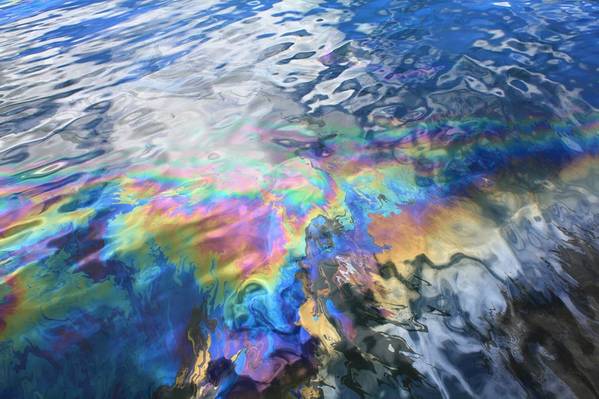
Lithuania said on Thursday it had been informed by a subsidiary of Polish oil refiner Orlen PKN of an oil spill in the country's waters in the Baltic Sea and had launched a probe into the incident.
Lithuania's Environmental Protection Department said in a statement the subsidiary, Orlen Lietuva, had informed it on Wednesday of a 300-litre spill near the Butinge oil import terminal in connection with the loading of a tanker.
It said an inspection by Lithuania later on Wednesday showed the spill measured nine kilometers by two kilometers with at least 1.8 tonnes of oil on the surface, and was drifting towards neighbouring Latvia's waters.
"It is likely that significantly more oil was spilled as part of the oil sank or evaporated," the department said.
It said the probe aimed to determine the full extent of pollution from the incident and its environmental impact.
Orlen PKN could not immediately be reached for comment. Orlen Lietuva declined to comment.
(Reuters - Reporting by Andrius Sytas in Vilnius, additional reporting by Anna Wlodarczak-Semczuk in Gdansk, editing by Anna Ringstrom and Terje Solsvik)