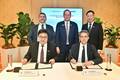
Iraq agreed a $2.625 billion deal with South Korea’s Daewoo Engineering & Construction on Wednesday to build the first phase at its planned Faw commodities port in the south of the country.
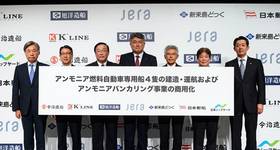
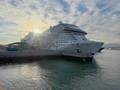
Under the contract, signed in Baghdad by representatives of Iraq’s transportation ministry and the South Korean company, Daewoo E&C will handle construction work including building five berths to unload ships and a yard for containers.
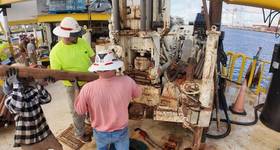
Daweoo will also carry out dredging and drilling works to create an access navigation channel, Farhan al-Fartousi, Iraq’s director general at the General Company for Ports, told Reuters on the sidelines of a signing ceremony at the transportation ministry headquarters.
The first phase should allow the port to receive three million containers, and all the construction work should be finished in around four years, said Fartousi.
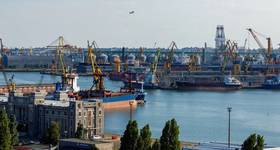
For now, to receive commodities ships, Iraq has to rely mainly on the port of Umm Qasr in the south, which sits at the top of the strategic Gulf waterway.
The port of Faw will be deeper, allowing it to receive the largest container ships.
(Reporting by Maher Nazeh and Khalid al-Mousily; writing by Ahmed Rasheed; editing by Jason Neely and Bernadette Baum)