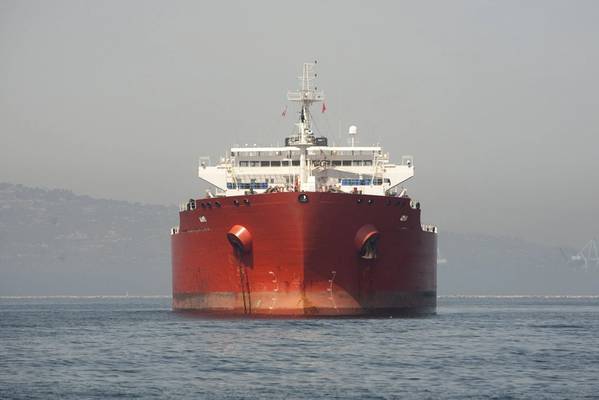
The costs of buying crude oil from the Middle East could rise as war insurance for ships travelling in the region will be expanded to include vessels travelling off the United Arab Emirates and Oman, the head of Japan Petroleum Association said on Friday.
Japan is the world's fourth-largest oil importer and imports 90% of its crude from the Middle East, government data showed.
Asian shippers and refiners had put ships heading to the Middle East on alert and were expecting a possible rise in marine insurance premiums following attacks on Saudi oil tankers and pipeline facilities earlier in May.
Takashi Tsukioka, president of the PAJ, told reporters at a briefing that they have been notified by U.K.'s Lloyds that the area of war insurance coverage will be expanded to include UAE's Fujairah and the Gulf of Oman from May 31.
The war insurance rate will be notified later, and insurance for cargoes remain unchanged, he said.
"The cost to purchase oil from Middle East has not risen so much so far, but if there is any conflict, it will boost cost and affect safety of transportation," Tsukioka said.
Reporting by Yuka Obayashi