Indonesia Plans to Build 22 Ports
By Aiswarya Lakshmi
October 8, 2015
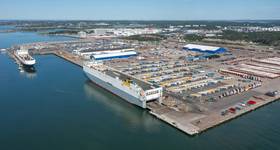
Indonesia Port Corporations (IPC) or PT Pelabuhan Indonesia (Pelindo) II, Indonesia’s state-owned port operator is to build 22 ports in the country in the next five years for an anticipated cost of around $3.5 billion.
“We are targeting to build 22 ports from Belawan to Sorong within five years,” Pelindo II chief executive Richard Joost Lino said.
The Indonesian port projects are to be financed by cash and loans and once completed each will have a capacity of 2.5 million TEUs.
As on date, the company has cash reserves of around Rp19.5 trillion from bond issuance, bank loans and internal cash flows.
This project is a continuation of Indonesia’s previous decision to seek $7 billion in funding for its ‘Maritime Highway’ initiative.
Pelindo II previously secured a $2.5-billion loan from foreign banks such as Mitsui & Co. Ltd, Deutsche Bank, ANZ, Bank of Tokyo-Mitsubishi UFJ, Sumitomo Mitsui Banking Corporation, Mizuho Bank, Societe Generale and United Overseas Bank.
So far, around three ports have begun construction in Surabaya, Jakarta and Makassar and there is estimated to be around 60 investors who are prepared to provide Indonesia with financial aid for its port projects.