Updated guidance from the International Council on Mining and Metals (ICMM) outlines the techniques required for accurate hazard assessment of ores and concentrates
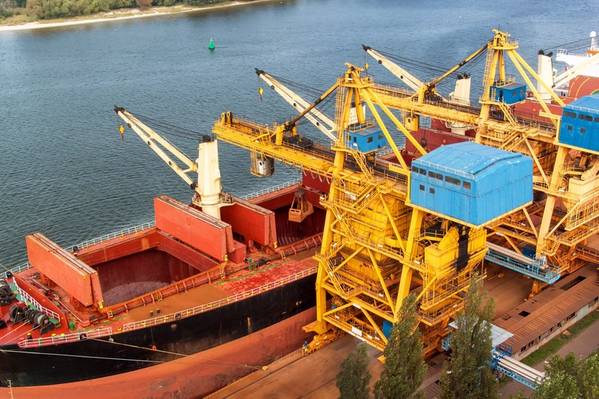
Aiming to help minimize the risk of accidents in maritime transportation, the Hazard Assessment of Ores and Concentrates for Marine Transport: Guidance 2021 brings the previous guidance issued in 2014 in line with recent regulatory updates from the International Maritime Organization (IMO) and advancements in knowledge in assessing hazards.
Through ICMM’s Mining Principles, members commit to implement effective risk-management strategies and systems based on sound science to ensure products can be used and transported safely. Carrying out an accurate hazard assessment is a critical element of this, and the provisions set out in this guidance, will support members to ship and transport vital ores and concentrates safely.
Sarah Bell, Director of Product Stewardship at ICMM, said, “The safe production and transport of minerals is central to ICMM’s commitment to a safe, fair and sustainable mining and metals industry. This is therefore a critical piece of work in helping to support ICMM members and the wider industry as they think about their hazard assessment processes. Regulation in maritime transportation has come on a long way since the guidance was first published, and it is vital to reflect this to reduce the risk of accidents and protect people and planet.”
Chris Barrington, Chief Adviser, International Iron Metallics Association and Chair of ICMM’s Working Group on Maritime Regulation, said, “Mining activities produce a wide range of ores and concentrates that are shipped across the globe for further processing into metals. Ores and concentrates vary in their chemical and physical properties - and their mineralogy - and therefore in the potential hazards they present for shipping. Taking into account the fast-changing nature of maritime regulation, the guidance is a critical tool developed by ICMM to support businesses in navigating this landscape, and to better understand the techniques required for accurate hazard assessment.”
The guidance is freely available on ICMM’s website and has been developed by ICMM’s Material Stewardship Facility, which convenes experts from across ICMM’s membership to make progress on strategic multi-metal topics such as chemicals management, life cycle management, minerals transport and responsible sourcing to enable sustained market access.