ESL Enters Smaller Vessel Class
By Aiswarya Lakshmi
December 19, 2017
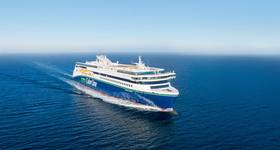
As a part of its growth strategy, ESL Shipping has successfully entered into smaller vessel class with ice classed 3,000 dwt vessels.
Baltic Carrier, Baltic Skipper and Capella joined the fleet in fall, and fourth vessel, Delfin, joined the fleet yesterday.
These smaller vessels support the flexible customer service offered to existing customers, regardless of the transportation batch size, and enable ESL Shipping to expand its customer portfolio to new customers and material flows.
In the operating model that is new to the shipping company, vessels will be chartered from the market for the transportation volumes.
The most sought-after volumes include renewable bioenergy, recycled raw materials, such as recycled energy fuel or steel, wood-based products and grain. The new operating model allows ESL Shipping to expand into new vessel classes with no major capital investments.
The model enables a customer-driven operating method and flexible fleet management. When expanded, the operating model will tie up less capital and increase the operating profit, while it may decrease the operating profit rate.