After nine months of dredging, Jan De Nul Group has reached an important first milestone by completing the deepening of the 95 km long access channel to the port in record time.
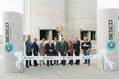
The Municipality of Guayaquil (Ecuador) officially inaugurated its newly deepened maritime access channel last weekend, by welcoming the first Neo-Panamax vessel APL Esplanade in the port.
Jan De Nul Group will now operate and maintain the channel under this 25-year concession contract. The total investment of the deepening and maintenance dredging works will be recuperated by collecting a transit fee.
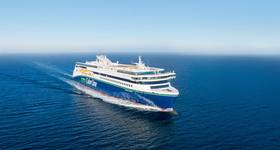
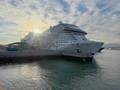
The arrival of the giant APL Esplanade marks a historical milestone for the Ecuadorian Port of Guayaquil. She sets a record as the largest container ship to dock in Guayaquil and even in Ecuador.
The ship is a so-called Neo-Panamax vessel and is operated by the CMA CGM shipping company. She is 368.62 meters long and 52 meters wide, able to carry 14.000 TEU. Her length is equivalent to four soccer fields and she has the height of a 15-story building.
APL Esplanade is a trendsetter along the Pacific coast of South America, where Neo-Panamax vessels will from now on take advantage of deeper water ways generating important economies of scale for liner services and their customers.