Middle East Navigation Service (MENAS), provider of aids to navigation (AtoN) in the Middle East Gulf region, said its is increasing rates and widening the group of ships that will be asked to pay for the service.
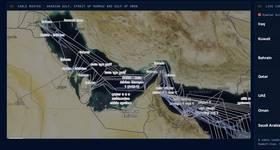
The group has been providing AtoN in the Middle East Gulf – one of the busiest trade lanes in the world – since 1951, supplying seafarers with information regarding the location, route and configuration of obstacles and hazards.
MENAS covers the cost of operating and maintaining such AtoN, which include buoys, lighthouses and racons, through the collection of Navigational Light Dues, or Nav Dues. Paid by shipowners relative to their net tonnage on their vessels’ first port of entry into the Gulf, the dues have remained at the same level since 2006.
“We have worked very hard to keep the Nav Dues charges at the same level since 2006 but due to the rising costs involved, we feel we have no other option than to increase them, because we want to provide the same services at the same quality,” said Peter Stanley, CEO of MENAS’ parent organization, International Foundation for Aids to Navigation (IFAN).
MENAS said it has seen the cost of providing Nav Aids has increase, particularly in the last two years, compounded by the increase of the input costs (material, energy, salaries, etc.) as well as the need to replace some major equipment such as DGPS transmitters.
“Without change, the income we receive would not be enough to fund the service sufficiently, compromising safety and the future of MENAS AtoN. I appreciate the extra cost may not be welcomed by shipowners, but we have to implement the tariff charge to ensure the safe navigation of vessels in the Gulf and the protection of the region’s marine environment,” Stanley said.
He added, “We know that reputable shipowners will be committed to good safety standards, also bearing in mind SOLAS Chapter V obligations, and trust they will understand the reasons for these changes.”
Though MENAS undertakes contract work for third parties as a way of helping to reduce Nav Dues to shipowners, all services provided by MENAS are paid for by these dues.
The new tariff will be implemented on October 1, 2023 and is reviewed annually.
In recent years, MENAS has witnessed a trend of using smaller vessels, which currently do not pay dues, and some of these frequent users have quite significant fleets. MENAS said it believes it is only fair that these should now contribute towards the services that it provides, and it will be asking for payment from all owners/charterers of vessels above or equal to 8,000 net tonnes in the future when they, make their first port call in the Middle East Gulf.
“Aids to Navigation provided by MENAS reduce the risk for this area in accordance with SOLAS Chapter V provisions so these payments are for a vital marine safety service which is essential for safe transit in the complex Gulf waters,” Stanley said.
“We trust that owners, vessels and their masters will understand this and the need to support their long term, reliable operation.”