Following the publication of the UK Government’s advice on contingency planning for a ‘no deal’ Brexit outcome, the British Ports Association (BPA) has suggested that negotiators have it in their power to agree a deal that would end months of uncertainty regarding the future arrangements at UK and EU borders.
Highlighting the merits of the UK Government’s proposal agreed at Chequers and subsequently set out in the Brexit White Paper in July, the BPA is urging both sides to rally and agree. Chief Executive of the BPA, Richard Ballantyne said:
“Today’s papers underlines the implications of a ‘no deal’, in terms of trading arrangements at ports. While it is sensible that the Government considers all outcomes we are hopeful that both sides will want to ensure that ports are free flowing on day one.
For parts of the ports industry, namely Roll-on Roll-off port operations, which handle the majority of the UK’s trade with the EU, a ‘no-deal’ could be a serious challenge and lead to significant disruption at the border.
The Chequers agreement and the Government’s Brexit White Paper proposals offered a solution to the challenge of possible new customs and borders checks, which to date appears to be the only viable option. We would urge Michel Barnier and his colleagues to seriously consider this proposal.
Without agreement the fluidity of tens of thousands of freight vehicles which travel between the UK and the EU on a daily basis is at stake. It is vital that we get this right. Over the last two years we have had productive discussions with the UK Government on Brexit and we do feel that UK officials have crafted a viable plan which with some preparation would work for both sides. This would mean we avoid the significant disruption that may occur at certain ports that are important international gateways for both the UK and the EU.”
Leaving the EU Customs Union and Single Market means that without some form of agreement goods travelling to and from Europe will be subject to new authorisations and other requirements as of March 2019. Included in the UK Government’s ‘no-deal’ advice is that traders will need to undertake new border processes which could be most challenging for freight on lorries travelling through ‘roll-on roll-off’ ferry port gateways.
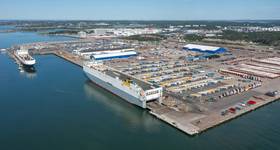
These are ports such as Dover, Holyhead, Immingham and Portsmouth and Ro-Ro ports collectively facilitate the majority of the UK’s EU trade. There will of course be opportunities for IT solutions for customs procedures but these could take time and all those in the logistics chain will need to assess how they will meet the new arrangements.
For most other types of ports handling bulks and containerised cargo, the likely new customs procedures should be relatively straightforward to achieve. However there are still questions around other frontier inspections such as port health standards which are mandated under EU law and without agreement will be difficult to overcome, particularly in respect of the UK’s exports through the EU.