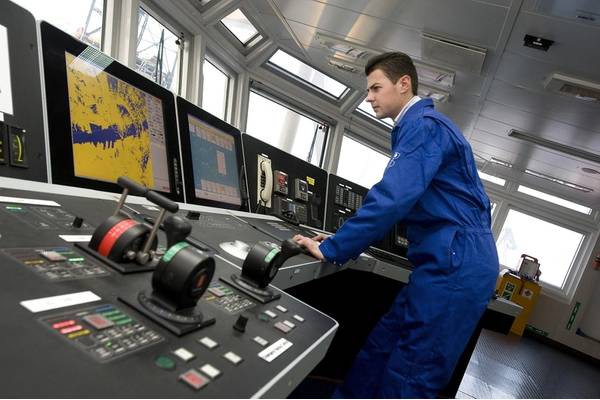
On April 30, next year the 11th amendment of the Marine Equipment Directive (MED) comes into force, making compliancy with the Bridge Alert Management (BAM) concept mandatory for all navigation equipment.
Imtech Marine, as a bridge systems integrator, has been working on the test standards of BAM for several years through its participation in the International Electrotechnical Committee. But even with this rapidly approaching deadline, we have seen that there is still a lot of misunderstanding about BAM.
The official definition of BAM is an “overall concept for management, handling and harmonized presentation of alerts on the bridge.” Put simply, BAM-compliant systems have the potential to bring ‘peace and quiet’ to the bridge, and a quick understanding of complex alert situations, but of course, this depends on the quality of implementation and on the user behavior.
With technology these days, it is possible to monitor nearly everything. This results in a plethora of alerts popping up on the bridge screens, accompanied by their audible indication. Not every alert is indicating immediate trouble, yet everything appears to have priority, attracting the crew’s attention. This can mean that the real priority cases are being lost in a cacophony of alarms, which could potentially lead to safety being compromised.
Managing the alarms and sorting through the alerts takes time the crew simply doesn’t have and what realistically is the operator going to do if everything is deemed “urgent”?
At the same time, vessels are getting bigger but they have much smaller crews. A 450-meter ship can sail with fewer than 20 people. Additionally, crew fatigue is a growing problem with alarms disturbing sleep, particularly in the engine room department.
BAM doesn’t reduce alerts but it prioritizes them and changes the way attention is attracted. Alerts are classified, easier to identify and BAM makes it clear who can handle them. This makes decision-making easier and enables the operator to immediately identify the issue and take any action needed to maintain a safe operation.
From April 30, equipment manufacturers are going to be obliged to give functional, rather than ‘symptom’ alerts. This is a huge difference and dramatically decreases the cognitive loads on the crew.
Because Imtech Marine has been a forerunner in this field, its bridge systems, and some systems in the engine room, are ready for BAM. The first Imtech Marine customers now have BAM-equipment installed and we can already see big improvements. For example, previously in a failure situation a long alarm list would sound, keeping the operator tied up until the last alarm had been read and acknowledged. But now an alert list holding only a few alarms requiring immediate action will sound. Other alarms are converted into warnings and silent cautions that can be taken care of at a later time.
And although the bridge is just the starting point for BAM, there is no doubt that the benefits are evident, which means that it will migrate to other parts of the ship.
About the Author
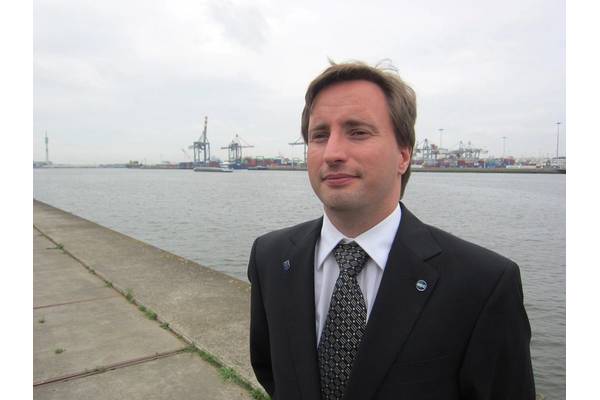
Steven Kransse is Senior Certification Consultant and Consultant Compliance Officer, Imtech Marine