The second phase in a major upgrade of Scrabster Harbor in Caithness, the North of Scotland, has secured up to GBP3 million investment from Highlands and Islands Enterprise (HIE).
The funding will enable the redevelopment of the existing St. Ola pier to create further deep-water infrastructure and meet anticipated demand from cruise ships and offshore energy supply vessels. It will place the port in an ideal position to service activity in the West of Shetland basin.
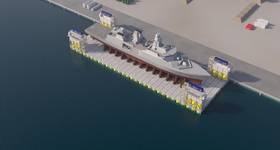
A new piled quay wall and pier deck will be installed to expand the existing pier. Both the inner and outer side of the pier will be dredged to create water depth of no less than 9m. And a reclamation area with revetment at the root of the pier will provide storage for cargo handling.
Cruise ships of up to 250 meters and supply vessels up to 170 meters will be able to use the upgraded pier.
On completion the £17m project is expected to increase vessel tonnage and port revenues by 18% and support an additional 28 jobs.
It forms the second part of a wider harbour master plan of phased development by Scrabster Harbour Trust (SHT). Phase one saw the £17.6m redevelopment of the old fish market pier to create a modern multi-purpose quay facility renamed the Jubilee Quay, which opened in 2013.