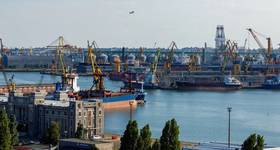
The Baltic Exchange's main sea freight index gained on Wednesday, marking its highest level since early October as rates for the capesize and supramax vessel segments rose.
The Baltic dry index, which tracks rates for capesize, panamax and supramax vessels ferrying dry bulk commodities, climbed 79 points, or 4.2%, to 1,980—its highest since October 7, 2020.
The main index was up for a seventh straight session.
The capesize index was up 207 points, or 10.6%, at 2,157, its highest since Jan. 26.
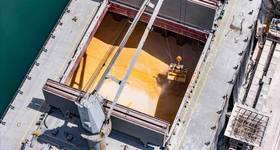
Average daily earnings for capesizes, which typically transport 150,000-tonne cargoes such as iron ore and coal, added $1,719 to $17,889.
More pronounced capesize strength is expected into the current week with the main market driver being the Pacific, Intermodal said in a weekly research note.
The panamax index dropped 20 points, or 0.9%, to 2,218.
Average daily earnings for panamaxes, which usually carry coal or grain cargoes of about 60,000 tonnes to 70,000 tonnes, were down $183 to $19,962.
The supramax index advanced 48 points to 2,017, its highest since at least April 2017, according to Refinitiv Eikon data.
(Reporting by Bharat Govind Gautam; Editing by Devika Syamnath)