The Baltic Exchange's dry bulk sea freight index, which tracks rates for ships carrying dry bulk commodities, inched lower for a second consecutive session on Wednesday, dragged down by weaker rates across all vessels.
The index .BADI, which factors in rates for capesize, panamax and supramax shipping vessels, was down 17 points at 1,063 points.
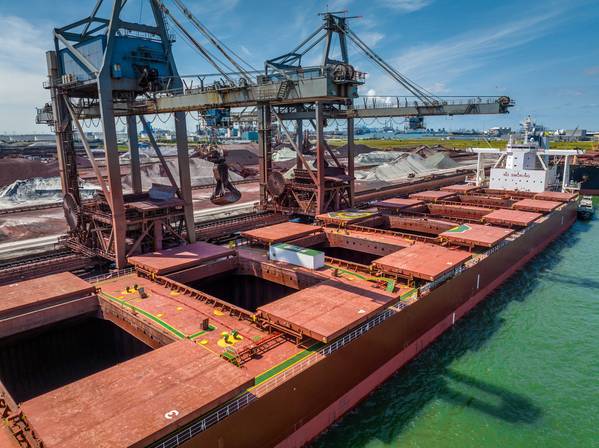
The capesize index fell 23 points to 1,581 points. Average daily earnings for capesize vessels, which typically transport 150,000-ton cargoes such as iron ore and coal, decreased by $191 to $13,109.
Iron ore futures extended gains, aided by China's better-than-expected credit data but the rise was capped by fears of escalating trade tensions after U.S. President-elect Donald Trump takes office next week.
The panamax index shed 12 points to 894 points, down for a sixth-straight session. Average daily earnings for panamax vessels, which usually carry 60,000-70,000 tons of coal or grain, decreased by $108 to $8,050.
The supramax index fell 15 points to 783 points, its lowest level in 17-months.
Elsewhere, oil shipping rates extended their rally on expectations of a tightening in global tanker supply from wider U.S. sanctions on Russia's fleet and traders' demand for ships to load Middle East oil for Asia, industry sources said on Wednesday.