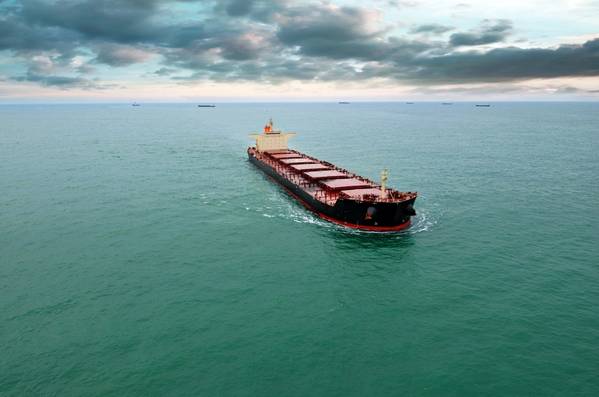
The Baltic Exchange's main sea freight index extended gains for a 20th straight session on Thursday, on firmer rates across all vessel segments.
The Baltic dry index, which tracks rates for ships ferrying dry bulk commodities and reflects rates for capesize, panamax and supramax vessels, gained 33 points, or 1.9%, to 1,738, its highest since October 30.
The index has surged about 60% so far this year and has recouped losses brought about by the coronavirus pandemic that sapped demand for vessels.
The Baltic capesize index gained 24 points, or 0.6%, to 4,213, its highest since September 18.
Average daily earnings for capesizes, which typically transport cargoes of 170,000 tonnes to 180,000 tonnes, including iron ore and coal, rose by $738 to $29,395.
The panamax index was up by 8 points, or 0.6%, to 1,253, its highest since December 19
Average daily earnings for panamaxes, which usually carry coal or grain cargoes of about 60,000 tonnes to 70,000 tonnes, rose $71 to $11,273.
The supramax index edged 4 points higher to 678.
(Reporting by Nakul Iyer in Bengaluru; Editing by Shailesh Kuber)