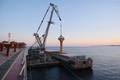
Shipping and logistics firm Wilson Sons has started testing drones in the Port of Salvador to make vessel deliveries and pickups.
The trials represent the first time the drones have been used to make deliveries in port facilities in Brazil.
Speedbird Aero, which specializes in designing, manufacturing, and operating drones, owns the uncrewed aerial vehicles.
In 2022, it was the first company to obtain authorization from Brazil's National Civil Aviation Agency (Anac) to operate uncrewed aerial systems (UAS) Beyond Visual Line of Sight (BVLOS — an operation in which there is no visual contact between the pilot and the aircraft and no auxiliary observer for long-distance flights).
"The drone tests are a milestone of innovation in Brazil's port sector, generating even safer, more efficient, and sustainable technological solutions. Our Shipping Agency, the oldest in operation in Brazil, along with other divisions at Wilson Sons, leads the way in adapting to change and supports progress in port infrastructure and national development," said Flávia Carvalho, executive director of Wilson Sons' Shipping Agency.