Clogged ports along the U.S. West Coast reopened to cargo vessels on Friday after a daylong closure, but shippers planned to re-impose a partial shutdown through the holiday weekend barring a settlement in stalled labor talks with the dockworkers union.
The shipping companies and terminal operators planned to halt loading and unloading of container ships again starting Friday night and keep the suspension in place through Monday, the Presidents Day holiday, unless contract negotiators clinch a breakthrough deal.
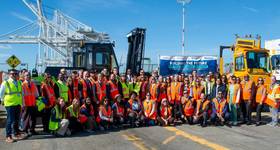
Negotiators for the International Longshore and Warehouse Union, representing 20,000 dockworkers, met at union headquarters in San Francisco on Thursday with officials from management's bargaining agent, the Pacific Maritime Association, for the first face-to-face talks in nearly a week.
But the session, presided over by a federal mediator, ended with no agreement reached. It was not immediately clear whether the parties would resume direct negotiations on Friday.
The PMA has said the talks, which have dragged on for nine months, hit a snag over a new demand by the union for changes in the system of binding arbitration of contract disputes.
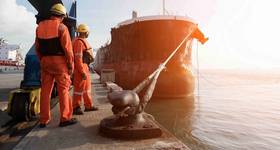
In the meantime, inbound cargo vessels continued to stack up at anchor, with 27 freighters left idle on Friday morning waiting for a berth outside the ports of Los Angeles and Long Beach, the nation's two busiest cargo hubs.
The numbers are likely to grow by the end of the weekend as additional vessels arrive from Asia with no place to park at the docks.
EXPORT-IMPORT CRUNCH
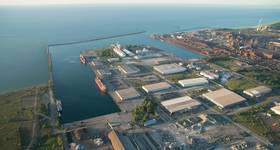
The 29 affected ports handle nearly half of all U.S. maritime trade and more than 70 percent of imports from Asia. Severe congestion at those harbors has rippled through the U.S. commercial supply chain, disrupting deliveries of a wide range of goods, from agricultural produce to housewares and apparel.
Farmers have been especially hard hit, with port disruptions posing a major barrier to perishable goods headed to overseas markets and export losses estimated to be running at hundreds of millions of dollars a day.
The shippers first suspended vessel operations at the ports for two days last weekend, and suspended operations again on Thursday.
Citing months of chronic slowdowns in freight traffic they blame the union for instigating, the shipping companies said they were unwilling to pay union workers higher holiday and weekend wages while productivity declines and the cargo backlogs grow.
Union officials said the shippers were engaged in brinkmanship, using the partial shutdown to exaggerate the magnitude of the crisis as a pressure tactic.
The West Coast ports were not left entirely dormant, however. The companies said work will continue in the dockyards, rail yards and terminal gates as they seek to clear some of the cargo containers already stacked up on the waterfronts.
The PMA has warned that conditions at the ports have become so congested that they are at the brink of total gridlock.
The companies have accused the union of orchestrating work slowdowns since October to gain leverage in negotiations, while the union has faulted changes in shipping practices instituted by the carriers themselves for the worsening backlogs.
The longshore workers have been without a contract since July.
The last time contract talks led to a full shutdown of the West Coast ports was in 2002, when the companies imposed a lockout that was lifted 10 days later under a court order sought by President George W. Bush, invoking the 1947 Taft-Hartley Act.
The shipping industry has estimated the 2002 lockout caused $15.6 billion in economic losses. When it ended, some 200 freighters were waiting at anchor up and down the coast.
The retail and manufacturing industries have projected that a full, extended shutdown of the ports now could cost the U.S. economy some $2 billion a day.
(By Steve Gorman; Editing by Chris Reese)