Troy Container Line Launches Hamburg-Chicago Service
Posted by Eric Haun
September 12, 2016

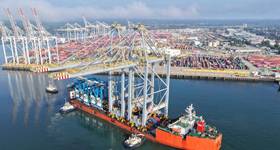
Photo: Troy Container Line
American-owned NVOCC Troy Container Line announced a new direct import service which provides accelerated transits between Hamburg and Chicago.
Building upon its foundation in the U.S. Midwest marketplace, this new service gives customers a fast, reliable, direct route to Chicagoland in addition to destinations throughout the Lower 48 from Germany, the NVOCC said.
“Our knowledge and expertise of the importing process, paired with our competitive rates and fast transits, offers customers unrivaled service in this trade lane as well as a strategic advantage when moving cargo to the Midwest,” commented Chris Hellow, COO of Imports at Troy Container Line.
Acoording to Troy Container Line, the ability to offer door rates and pick-ups coupled with an extensive nationwide CFS destination network, which connects cargo throughout the U.S., the company creates an accessible and cost-effective gateway to the Midwest for all clients.
With more than 30 years in the industry, Troy Container Line said it has witnessed a substantial increase as a full-service provider from Germany to the Midwest, and will continue to develop services in these expanding trade regions to meet client demands.