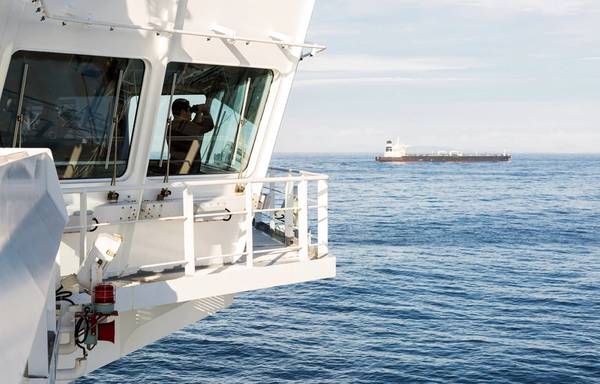
A plunge in the volume of crude oil stored on ships combined with unexpected cuts from top producer Saudi Arabia have created a glut of vessels available for hire, pressuring the outlook for supertankers this year.
Earnings for very large crude carriers (VLCCs) in 2020 reached record highs of more than $240,000 a day as the coronavirus battered demand, creating an oil surplus and a scramble for storage on land and sea. Rates have since dropped to $7,000 a day.
“Right now, it is really as bad as it gets for the VLCC market. Floating storage has more or less unwound and the return of that tonnage to the spot market has pressured rates,” Aristidis Alafouzos, chief operating officer of Okeanis Eco Tankers, told Reuters.
“The loss of 1 million bpd of Saudi production equates to annualized tanker demand destruction of 23 VLCCs.”
Clarksons Research Services estimated that as of Jan. 22, 95 vessels - the equivalent of 130 million barrels - were being used for storage versus a peak of over 290 million barrels in May last year.
IHS Markit said volumes on ships - also static for 14 or more days - had dropped to 52 million barrels, the lowest level since the peak in mid-2020 when it reached 190 million barrels.
“IHS Markit does not expect a repeat of last year’s explosive floating storage growth in 2021,” said principal lead analyst Fotios Katsoulas.
“Declining floating storage could further support oil prices in the near-term, as it is considered an indication for demand recovering.”
The numbers exclude Iran’s fleet holding oil and non-commercial longer-term storage by companies.
Demand for floating storage at the peak of the crisis last year was also driven by a market contango, a price structure whereby cargoes for delivery in the shorter term are cheaper than those for later delivery. It encourages traders to store fuel until prices pick up.
(Editing by Barbara Lewis)