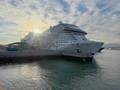
The Margaret Hill, a 50,700 tonne liquid natural gas tanker, was stopped from leaving the UK’s Southampton docks in August this year. The Environment Agency took swift action after it received intelligence that the ship was bound for dismantling on the Indian subcontinent, where ships are routinely broken up on beaches in conditions which put workers and the environment at risk. Due to its age, the Margaret Hill is likely to contain hazardous materials such as asbestos.
Waste ships containing hazardous materials can only be dismantled at properly authorised dismantling facilities in either the EU or an Organisation for Economic Co-operation and Development (OECD) country.
Since detaining the ship in August the Environment Agency has worked with Fortress Credit Co LLC which became the mortgagee in possession of the Margaret Hill – to find a suitable legal alternative. All parties to the sale and refurbishment have provided the necessary contracts and evidence to demonstrate there are no reasonable grounds to detain the vessel any longer.
The ship is now destined to be refurbished in Dubai before being put back to use as a floating treatment plant for liquid natural gas. It is due to sail to Dubai from Southampton docks as soon as practicable.