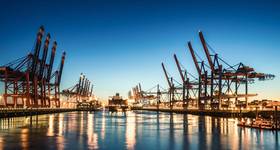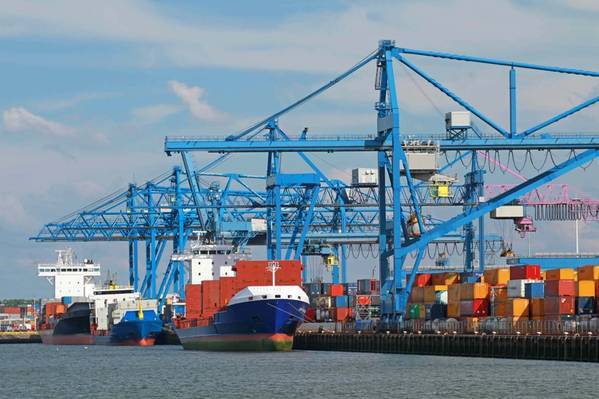
Rotterdam, Europe's largest port, faced a growing ship backlog on Thursday as lashers - who secure a vessel's cargo - continued their strike for higher wages, a port spokesperson said.
She added that the usual queue of six to seven ships had doubled to 13. While the increase was still mainly due to Storm Amy last weekend, the lashers' strike was having an impact that would increase if it continues until 3:15 p.m. (1315 GMT) on Friday, as initially announced, she added.
"Normally, lashers handle 17,000 fully loaded import containers per day on the sea side," the spokesperson said.
An FNV union spokesperson said the union would meet with employers Matrans and ILS on Friday at noon. If an agreement is reached, lashers will resume work; if not, the union has threatened to continue the strike over the weekend.
In a statement late Wednesday, Matrans and ILS called the strike "unjustifed and very harmful".
To avoid a backlog, ships would typically divert to Antwerp, but the port there is also being affected by a days-long protest, a Port of Antwerp spokesperson said. Harbor pilots are conducting a work-to-rule action in response to pension reforms announced by the Belgian government.
(Reuters)