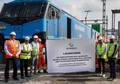
Chinese investment by the Shanghai Lingang Overseas Development in the port of Zeebrugge was officially signed in Brussels by Liu Jiaping, Chairman of Lingang, and Coens Joachim, CEO of Port of Zeebrugge.
The agreement was signed in the presence of the prime minister of the People’s Republic of China, Ki Keqiang, and the prime minister of Belgium, Charles Michel.
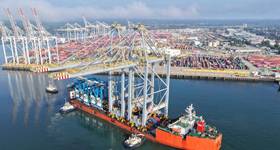
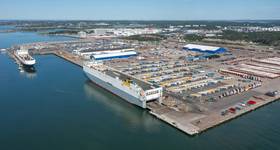
Port of Zeebrugge already announced the investment by the Chinese group Lingang in the Maritime Logistic Zone to establish a service and distribution park. Under the name ‘One park, two centers China/Europe’ Lingang signed an agreement of 85.3 million euros to establish a 30 ha logistic park.
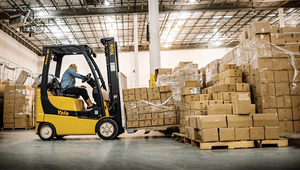
The objective is to settle down Chinese, and international logistic players for transportation of parts and components, reefer loads, e-commerce etc, between China and Western Europe.
With COSCO Shipping Ports acquiring APM Terminals, the Chinese interest for this port zone increased. For this logistic project Lingang will cooperate with the Chinese container operator.
The Maritime Logistic Zone – a 120 ha zone ready for construction – already accommodates the Antwerp based coffee trader Efico and transport company NDQ.