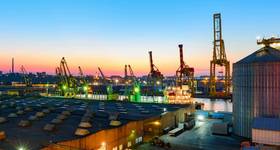
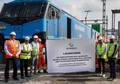
Singapore-headquartered international petroleum storage and logistics provider Global Petro Storage (GPS) has entered into an agreement with the Port of Amsterdam to develop a railcar connection on land adjacent to GPS' existing 11-tank gasoline and bioguel storage and blending facility.
GPS intends to develop a rail connection to the public network and to points across Europe that will increase its efficiency and offerings to clients.
Port of Amsterdam endorses the importance of good rail connections to and from the Amsterdam port region. Transport by rail is safe and sustainable. This development fits perfectly in the strategy of Port of Amsterdam.
Peter Vucins, Director of EMEA at GPS, said the expansion will enable GPS to capture future opportunities. The first step has been taken by asking for permits for the railcar connection.
Peter Vucins said: “ This agreement enables GPS to continue the successful expansion program that we started when we acquired the terminal in late 2016, including adding significant gasoline capacity to our current terminal that will come on stream in the second half of this year.”
GPS has partners and projects around the world.