Gazprom CEO Alexey Miller Bullish on Arctic
By Aiswarya Lakshmi
December 30, 2015
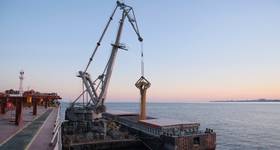
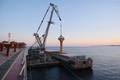
Gazprom has completed the construction of the Gates of the Arctic offshore offloading terminal that would pave the way for year-round oil supplies from the Novoportovskoye field in Yamal.
Gazprom takes the leadership position in the Russian petroleum industry. Gazprom's board of directors had approved a RUB 842 billion ($11.8 billion) investment program for 2016.
Gazprom Chairman Alexey Miller said: "We have been efficiently developing the Prirazlomnoye field in the Arctic shelf. In November the amount of oil output reached one million there and this vividly demonstrates that we operate this complex and extremely promising region in a productive and safe manner"
"This year Gazprom has continued steadily evolving as a global energy Company. We are consistently implementing our plans along all the business lines – gas, oil and power generation," Alexy said in his Christmas and New Year address Tuesday.
The Prirazlomnoye field was the scene of an environmental protest in the autumn of 2013 that saw 30 Greenpeace member arrested by Russia on charges of piracy. Miller also noted his company's completion of the Gates of the Arctic offshore offloading terminal that will "pave the way for year-round oil supplies" from the Novoportovskoye field in the Yamal Peninsula in northwest Siberia.