Frontline CEO: Scrapping to Lift 2018 Tanker Rates
Posted by Michelle Howard
December 18, 2017
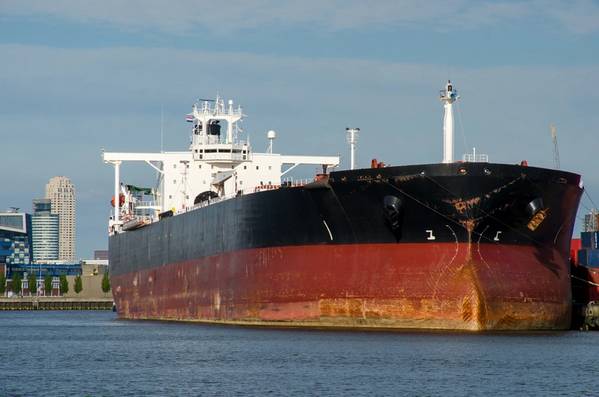
© rob3rt82 / Adobe Stock
Oil tanker firm Frontline expects shipping firms to scrap more old vessels in the time ahead, which may lead to a recovery in rates for the remaining global fleet in the second half of 2018, its chief executive told Reuters on Monday.
Spot rates for very large crude carriers (VLCCs), with a capacity of to transport 260,000 tonnes of oil, have recently dropped to a loss-making $13,000-14,000 per day, far below Frontline's cash break even rate of $21,600.
Spot rates for the smaller Suezmax vessels are also below Frontline's cash break even level, as the supply of new ships has outgrown the rise in global oil demand.
"We're reluctant to predict a strengthening of the market in the short term, even though the current weakness at the start of the winter season is surprising," Frontline CEO Robert Hvide Macleod wrote in an e-mail.
At the same time, a weak winter season could trigger a shake-out of older ships as owners cut vessels that are often less efficient to operate from their fleet.
"If oil demand grows as expected, the tanker market in the second half of 2018 will be interesting. And faster if scrapping were to increase significantly," he added.
Reporting by Ole Petter Skonnord