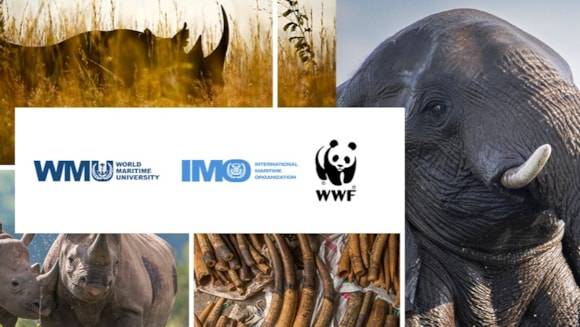
A new e-learning course from the IMO covers key concepts and measures to help end illegal market worth an estimated $200 billion per year.
The course has been launched to support all stakeholders in the maritime supply chain to address wildlife trafficking by ship, and it has been developed by the IMO in collaboration with the World Maritime University (WMU) and the World Wide Fund for Nature (WWF).
Through animated e-lessons, quizzes and assignments, the self-paced virtual course covers the concepts of illegal wildlife trade, concealment methods, red flag indicators and the possible measures that each actor in the maritime supply chain can take to help stop this illegal trade.
The course, comprised of five modules, is targeted at a broad audience and is available to the public, free of charge.
The course is based on the IMO's Revised Guidelines for the Prevention and Suppression of the Smuggling of Wildlife on Ships Engaged in International Maritime Traffic.
Trade in wild animals and plants is a vast business that encompasses multiple industries, from food, furniture and fashion to healthcare, pets and zoos. The majority of the trade is legal and is governed by national and international instruments and national laws implementing those instruments. However, the growing demand for wildlife fuels a parallel illegal market valued at more than $200 billion per year. Wildlife trafficking is considered the fourth largest illegal trade, after trafficking in counterfeit products, drugs and humans and most of it uses maritime transport.
Laila Mostafa Abdullatif, Chair of WWF Asia Pacific 25 (AP25), said: "Protecting wildlife requires global cooperation. Just as animals know no borders, neither should our efforts to conserve them. While significant strides have been made to tackle illegal wildlife trafficking, our work remains unfinished. The IMO eLearning Course serves as a powerful resource to build education and capacity on the ground, ultimately strengthening global collaboration and driving positive impact at scale. I encourage all stakeholders to harness this accessible resource to fortify our endeavors and safeguard global biodiversity."
Illegal wildlife trade can harm countries' natural ecosystem through overexploitation and impact biodiversity in other countries through introduction of non-native species.
The e-course, "Illegal Wildlife Trade - Introduction to Counter Wildlife Trafficking in Maritime Supply Chains" module topics include international conventions and declarations on wildlife trade, common smuggled species and concealment methods, wildlife crime intelligence, port security and measures to prevent, detect and report wildlife trafficking on ships.