Exxon Mobil is set to ship around 600,000 barrels of fuel from the U.S. Gulf Coast to cover its own import requirements in Australia, the first such shipments by the oil major, four sources with knowledge of the matter said.
The planned shipments, on a route rarely used for refined products flows, show how severely global oil trade has been impacted by the near-complete halt of shipping in the Strait of Hormuz after Iran began striking vessels in the waterway this week in retaliation for U.S. and Israeli attacks on the country.
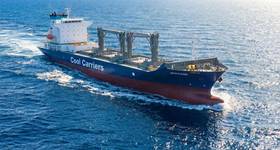
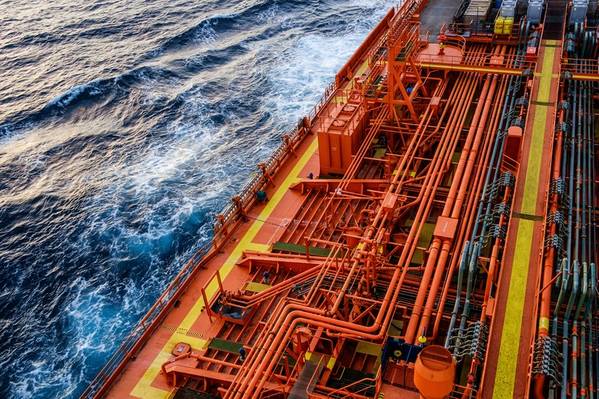
The medium-range vessels Largo Eagle and Nord Ventura have been booked by Exxon to ship either gasoline, diesel or jet fuel, loading from Houston between March 13 and 16, and between March 15 and 18, two of the four sources said.
The Largo Eagle and Nord Ventura are under charter by commodities trading house Vitol, which has effectively rented them to Exxon for the deliveries to Australia, sources said.
Exxon did not immediately respond to requests for comment. Vitol declined to comment.
Asian refiners have been grappling with a shortage of crude supplies due to the Strait of Hormuz disruptions, forcing those dependent on Middle Eastern crude oil to cut runs and fuel production.
ExxonMobil operates three fuel terminals in Australia that receive refined products from Asian countries and elsewhere for distribution in local markets, and has a subsidiary Mobil Oil that supplies fuel to Australian retailers.
The charter costs for one medium-range vessel capable of carrying 300,000 barrels of refined products on this route are estimated at around $6 million in total or $20 a barrel, two of the four sources said.
These cargoes are the first fuel deliveries from the U.S. Gulf Coast to Australia since refiner Marathon Petroleum's Garyville plant in Texas exported gasoline to Australia in December 2023, Kpler shiptracking data showed.
Traders and shippers were skeptical about whether such shipments are sustainable even if Asia desperately needs fuel supply replenishment, given the high freight costs and limited vessel availability.
The arbitrage to ship fuel from the U.S. to Asia will depend heavily on the magnitude and duration of the conflict in the Middle East, Sparta Commodities analyst James Noel-Beswick said.
It will take some time for trade flows to return to normal even after the crisis is over, as Asian refiners have been cutting run rates and port infrastructure in the Middle East has sustained damage, he said.
(Reuters - Reporting by Shariq Khan and Trixie Yap; Additional reporting by Sheila Dang; Editing by Nia Williams)