Yesterday, New Jersey Governor Chris Christie signed S2747/A4170 into law. This legislation, which received unanimous bipartisan support from the entire legislature, will eliminate the Port of New York & New Jersey (PANYNJ) cargo facility fee.
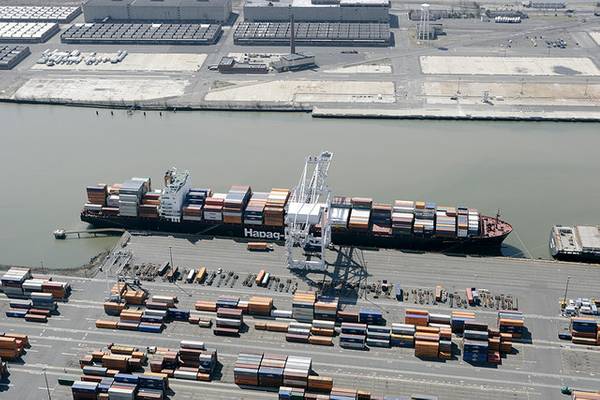
In 2011, the PANYNJ became the only port agency in the country to impose a cargo facility charge on all containers, including empties. The fee charged is $4.95 for 20-foot containers, $9.90 for 40-containers, and $1.11 per unit for vehicle cargo. The fee is costing Maersk Line alone $3.5 million on an annual basis.
"This legislation goes a long way in ensuring that the Port of New York & New Jersey remains competitive with ports across the country," said Doug Morgante, Maersk Line’s Director of State Government Relations, "We are grateful that Governor Christie recognized how critical removing this onerous fee is to the vitality of the maritime industry."
The bill to stop the port fees will remain inactive until New York enacts similar legislation. Senator Michael Ranzenhofer introduced S6156 on January 8, 2014. The bill resides with the Senate Transportation Committee.