marine link image
REGISTER NOW FOR the Port of the Future Conference • 2 Days, 50 Ports • Houston, TX • March 24–25, 2026

Baltic Index Snaps 7-day Losing Streak

July 29, 2020

© Alexey Lesik / Adobe Stock

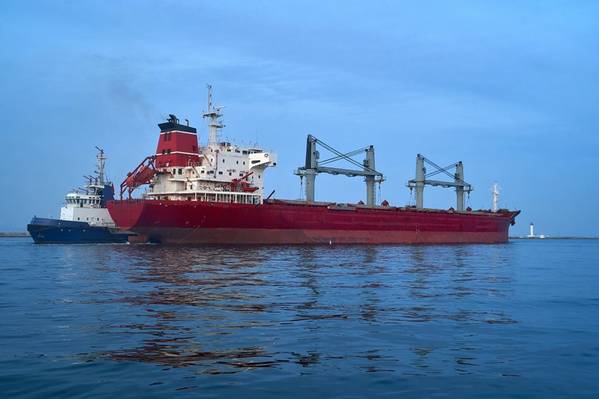
The Baltic Exchange's main sea freight index rose on Wednesday, after declining for seven consecutive sessions, as rates for larger capesize and panamax vessels bounced back after a series of declines.

The Baltic dry index, which tracks rates for ships ferrying dry bulk commodities and reflects rates for capesize, panamax and supramax vessels, rose 53 points, or 4.2%, to 1,317.

The Baltic capesize index gained 145 points, or 7.3%, to 2,137. The index had posted losses in the previous seven sessions.

Average daily earnings for capesizes, which typically transport cargoes of 170,000 tonnes to 180,000 tonnes, including iron ore and coal, jumped $1,197 to $17,721.

The panamax index was up 30 points, or 2.6%, at 1,166, ending a 10-session losing streak.

Average daily earnings for panamaxes, which usually carry coal or grain cargoes of about 60,000 tonnes to 70,000 tonnes, increased by $271 to $10,491.

The supramax index fell 7 points to 890.


(Reporting by Shreyansi Singh; Editing by Ramakrishnan M.)

Logistics News

Anschütz Delivers SYNAPSIS Integrated Navigation System for First Newbuild Tanker

Anschütz Delivers SYNAPSIS Integrated Navigation System for First Newbuild Tanker

Fujairah Bunker Prices Surge as Demand Shifts Elsewhere

Fujairah Bunker Prices Surge as Demand Shifts Elsewhere

Drone Attack Damages Fuel Tank at Oman’s Duqm Port

Drone Attack Damages Fuel Tank at Oman’s Duqm Port

America’s Maritime Action Plan Creates Opportunity for St. Louis Region

America’s Maritime Action Plan Creates Opportunity for St. Louis Region

Subscribe for Maritime Logistics Professional E‑News

Greek Shipping Minister warns of alarming Situation in Strait of Hormuz
Ryanair's O'Leary witnesses a surge in Easter bookings due to Middle East conflict
Qatar's production of LNG has been halted due to the war in Iran, and Asia is scrambling for LNG.