The Baltic Exchange's main sea freight index fell to its lowest level since early April last year on Tuesday, weighed down by weaker demand for vessels across all segments.
The Baltic index, which tracks rates for capesize, panamax and supramax vessels ferrying dry bulk commodities, fell 40 points, or 5.5%, to 689 - its lowest since April 3, 2019.
The capesize index declined 98 points, or 16.5%, to 495.
The capesize index registered its 28th straight session of losses, and is at its lowest level in nine months.
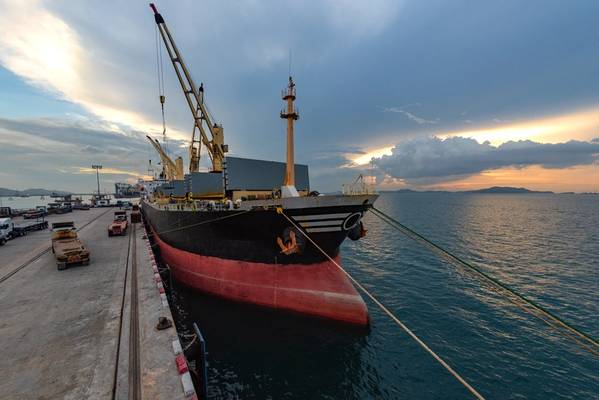
Average daily earnings for capesizes, which typically transport 170,000-180,000 tonne cargoes including iron ore and coal, fell $698 to $7,062.
BHP Group,, the world's biggest miner, maintained its 2020 iron ore and thermal coal output forecasts on Tuesday, despite production of coal being hit by the Australian bushfires.
The panamax index dropped 42 points, or 4.8%, to 824.
Average daily earnings for panamaxes, which usually carry coal or grain cargoes of about 60,000 tonnes to 70,000 tonnes, fell $373 to $7,418.
The supramax index fell 4 points to 556 points.
(Reporting by Anjishnu Mondal; Editing by Krishna Chandra Eluri)