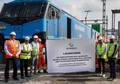
Adani Kandla Bulk Terminal Pvt. Ltd. (AKBTPL), part of Adani Ports & Special Economic Zone Ltd (APSEZ), India’s largest port developer, today announced it had clocked minimum guaranteed throughput (MGT) cargo volume of 3.5 million tonnes (MT) for the current financial year 2015-16
Adani Kandla Bulk Terminal Pvt. Ltd. (AKBTPL) under the concession agreement with Kandla Port Trust (KPT) has successfully over shot the MGT in its 1st year of operations itself.
“We at Adani Group share our Chairman’s vision of achieving 200 Million Metric Tons cargo by 2020. This milestone will take us one more step closer to our vision” said Mr. Ennarasu Karunesan, CEO APSEZ Mundra & Tuna Ports.
AKBTPL was inaugurated by Hon'ble Minister of Road Transport and Highways and Shipping, Government of India, Shri Nitin Gadkari, and commenced its operations on February 10, 2015.
Since then, AKBTPL has successfully crossed many milestones by handling variety of bulk commodities to include coal, fertilizer etc., while setting high standards of handling cargo with
mechanized operation and technical expertise and achieving utmost satisfaction of their customers.