MRS 2022: Supply Chain Challenges to the Maritime Transportation System

October 26, 2022

Copyright G/AdobeStock

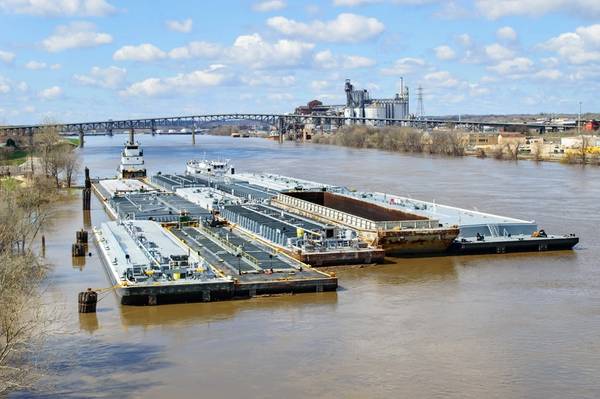
Inland maritime transportation systems (MTS) play major roles in domestic and international supply chains, with unique challenges related to upstream and downstream sources disruption, accessibility and shifts in commodities, as well as demand and supply imbalances. With a 20% on-time arrival statistic, the U.S. east coast serves as an example for the increasing appeal of inland waterways as a cost-effective, alternative, with Port of Cleveland traffic reportedly increasing 70% between 2020 and 2021. Secondary ports, energy transport and a desire to reduce carbon emissions along the entire value chain bring the inland MTS in greater focus.

Allison Bennett Irion, Argonne National Laboratory, will moderate a panel on this topic at the 2022 Maritime Risk Symposium on November 16, 2022. Speaking on this topic Jennifer States, Vice President of Projects and Strategy, Washington Maritime Blue, Seattle, WA and Eric Peace, Vice President Lake Carriers’ Association, Westlake, Ohio.


Logistics News

Baku Port Handles 37% More Containers in 2025

Baku Port Handles 37% More Containers in 2025

International Flag-State Association Looks to Advancing Role in Policymaking

International Flag-State Association Looks to Advancing Role in Policymaking

The Northwest Seaport Alliance Retires Two Legacy Cranes from Terminal 7

The Northwest Seaport Alliance Retires Two Legacy Cranes from Terminal 7

Barbara Scheel Agersnap Steps Down as Copenhagen Malmö Port CEO

Barbara Scheel Agersnap Steps Down as Copenhagen Malmö Port CEO

Subscribe for Maritime Logistics Professional E‑News

Baku container throughput to increase 37% by 2025, says port chief
Union Pacific and Norfolk submit documents for regulatory review of $85 Billion Merger
Seven people were killed by Russian missiles that attacked port infrastructure near Odesa in Ukraine, according to the deputy prime minister.