Top Chinese grain trader COFCO is in talks about buying a shareholding in a grain export terminal in the Russian port of Novorossiysk as part of its expansion in Europe, sources said on Friday.
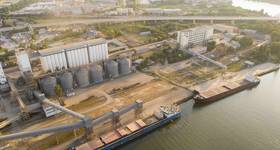
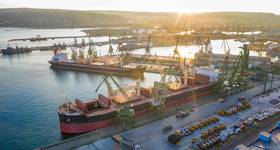
COFCO is understood to be in talks about buying a shareholding of about 25% in the KSK deep water grain terminal in Novorossiysk, three sources said.
Talks are being held with the terminal owner, Russian company Deloports Ltd. Deloports declined comment.
The COFCO group in China was unavailable for immediate comment. A COFCO International spokesman in Switzerland declined to comment.
"Such a deal could give COFCO greater capability to export Russian grain in large volumes to the big Middle Eastern markets," one source said.
'"Novorossiysk is especially important for wheat exports to Egypt."
COFCO has greatly expanded its European grain trading presence in past years, taking over Dutch trader Nidera in 2017 and building up a major European trading hub.
(Reporting by Olga Popova and Gleb Stolyarov in Moscow and Michael Hogan in Hamburg, additional reporting by Gus Trompiz in Paris; editing by David Evans)