On July 1 the Port of Tyne launched a 'next-generation' Vessel Traffic Services (VTS) system to enhance VTS operator situational awareness and supports decision making.
The system adheres to the standards set by the International Association of Marine Aids to Navigation and Lighthouse Authorities (IALA), covers the waters of the Port of Tyne in the UK, extending from six nautical miles out at sea to three nautical miles inland. It uses the Automatic Identification System (AIS) to extend coverage over a seven nautical mile stretch of the river Tyne up to Dunston.
The Port of Tyne features two Vessel Traffic Services (VTS) centers, with the primary center operating two positions around the clock. In case of an emergency, a backup position is available at a remote location.
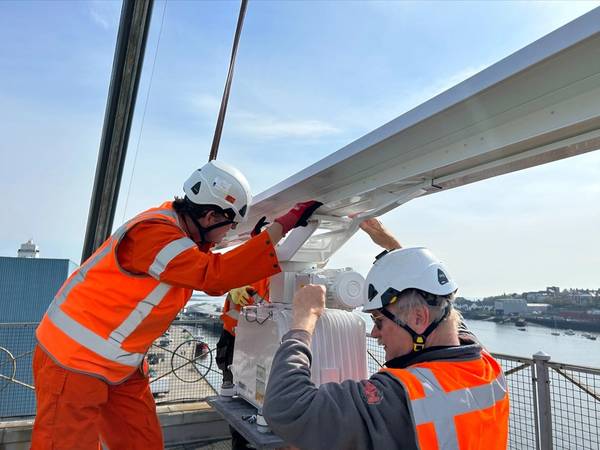
The vessel traffic within the Port of Tyne is monitored using two Hensholdt X-band radars and two Saab R60 AIS base stations. The base stations are fully equipped to handle the next generation of AIS, known as the VHF Data Exchange System (VDES). Two Bosch CCTV cameras provide further vessel details in the area, automatically controlled by radar tracking.
“As an innovation hub for the UK’s port modernization plan Maritime 2050, Port of Tyne has strong digitalization ambitions," said Ivo Tummers, CEO, Tidalis, “The new VTS and its web-oriented architecture fit seamlessly in a port where all staff have already been given tablets to streamline operations.”
By having control over its own AIS base stations, the Port of Tyne gains access to advanced functionality that is typically only available through professional AIS services, such as communication via AIS mail.
Another important feature is the availability of virtual Aids to Navigation (AtoN), enabling VTS operators to dynamically create restricted zones and virtual warning buoys that automatically appear on ships' electronic navigation charts.
"For us the new system means that we can operate our port at a higher level than before because we now have a robust traffic view that we know we can rely on." says Dillon Brown, Marine Manager of the Port of Tyne.
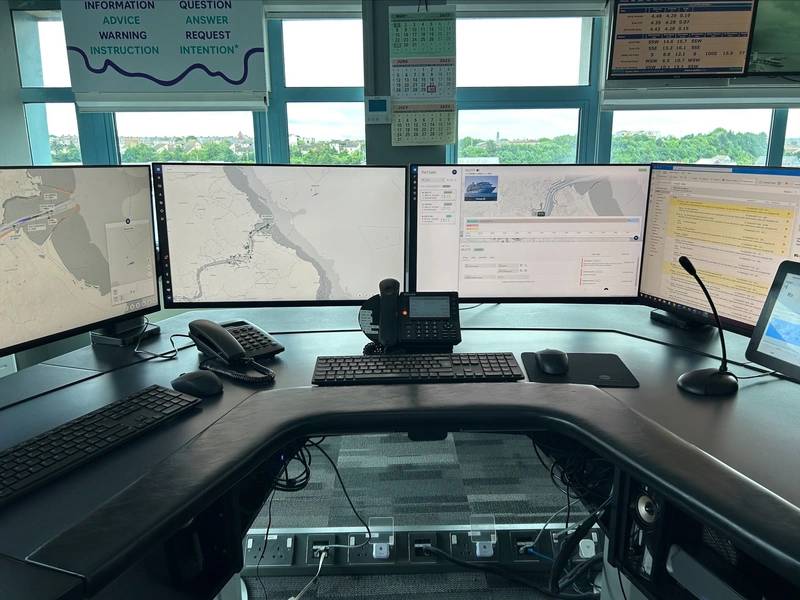 Image courtesy Tidalis/Port of Tyne