British Prime Minister Keir Starmer spoke with U.S. President Donald Trump on Thursday about the need for a plan to restore shipping through the Strait of Hormuz "as quickly as possible," following a U.S. ceasefire with Iran, Downing Street said.
Starmer discussed with Trump the UK's efforts to convene partners to agree to a "viable plan" on restoring freedom of navigation in the waterway.
"They agreed that now there is a ceasefire in place and agreement to open the Strait, we are at the next stage of finding a resolution," the statement said.
"The leaders discussed the need for a practical plan to get shipping moving again as quickly as possible," Downing Street said, adding Trump and Starmer would speak again soon.
STILL STRANDED
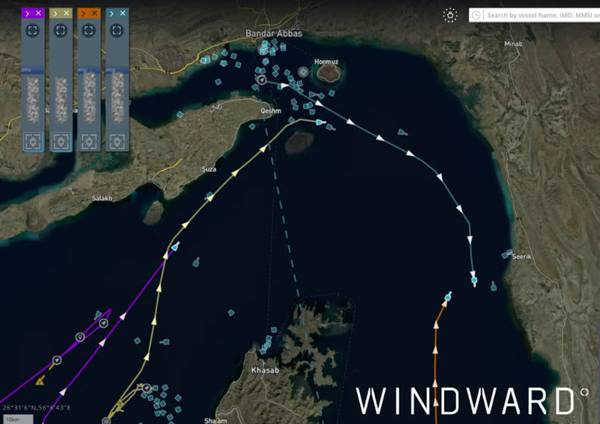
Security firm Windward reports that the ceasefire has not reopened the Strait of Hormuz, and transit remains tightly controlled. Approximately 3,200 vessels remain stranded west of Hormuz, including around 800 tankers and cargo ships.
Trade flows have restructured across Oman and UAE east coast ports, not returned to normal, says Windward.
TRUMP VOICES OPPOSITION TO FEES
Trump said on Thursday Iran should not charge fees to tankers going through the Strait of Hormuz.
"There are reports that Iran is charging fees to tankers going through the Hormuz Strait," Trump wrote on Truth Social.
"They better not be and, if they are, they better stop now."
Media reports have suggested Iran might want to charge a toll for ships passing through. Western leaders have pushed back on the idea of paying any such fees.
Iran will demand toll payments in cryptocurrency to retain control over Hormuz during a two-week ceasefire with the U.S., the Financial Times quoted Hamid Hosseini, a spokesperson for Iran's Oil, Gas and Petrochemical Products Exporters' Union, as saying on Wednesday.
In a separate post, without elaborating, Trump said "you'll see Oil start flowing, with or without the help of Iran."
The U.S. and Israel attacked Iran on February 28. Iran responded with its own strikes on Israel and Gulf states with U.S. bases. The war has raised oil prices and shaken global markets.
U.S.-Israeli strikes on Iran and Israeli attacks on Lebanon have killed thousands and displaced millions.
Trump announced a ceasefire with Iran on Tuesday, after having previously threatened to destroy Iran's entire civilization.
Ship traffic through the strait stood at well below 10% of normal volumes on Thursday despite the fragile ceasefire as Tehran asserted its control by warning ships to keep to its territorial waters while doing so.
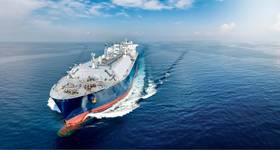
The war brought traffic through the strait, a chokepoint for about 20% of global oil and liquefied natural gas shipments, close to a standstill.
(Reuters and staff)