Oil Shipments From Georgia's Batumi Port Down 34%
Posted by Michelle Howard
February 1, 2018
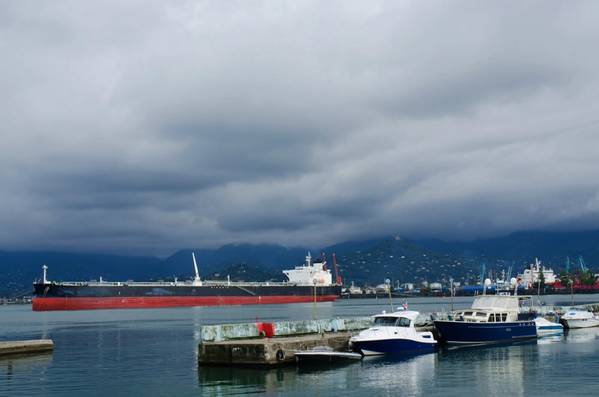
© kaetana / Adobe Stock
Oil and related shipments from Georgia's Black Sea port of Batumi in January were down 34 percent from a year earlier, an official at the terminal, operated by Kazakh KazMunaiGas , said on Thursday.
The official gave no reason for the fall, but state company KazMunaiGas continued to reroute some shipments to the Baku-Tbilisi-Ceyhan pipeline this year.
January shipments of crude oil and refined oil products from Batumi totalled 108,464 million tonnes, down from 164,218 tonnes a year earlier and 221,210 tonnes in December, said the official, who asked not to be identified.
Shipments of crude oil and refined oil products from Batumi totalled 2.109 million tonnes in 2017, down from 3.377 million tonnes in 2016.
Crude and refined oil products from Azerbaijan, Kazakhstan and Turkmenistan are shipped out of Georgia's Black Sea ports of Batumi, Supsa, Poti and a terminal in Kulevi.
Some products are transported across the Caspian Sea in small tankers, unloaded in the Azeri port of Baku and then sent by rail to Georgian ports for export to the Mediterranean.
Reporting by Margarita Antidze