ExxonMobil’s 'Outlook for Energy' forecasts new opportunities for international trade and economic growth.
The global energy landscape will evolve significantly as regional demand-and-supply patterns shift in the coming decades, creating new opportunities for international trade and economic growth, says newly-releaed 'Outlook for Energy: A View to 2040'.
In its annual forecast, ExxonMobil projects that global energy demand in 2040 will be approximately 35 percent higher than in 2010. Future energy needs will be supported by more efficient energy-saving practices and technologies, increased use of less-carbon-intensive fuels such as natural gas, nuclear and renewables, and the development of unconventional energy sources that were previously inaccessible without technology advances.
Oil will continue to be the most widely used fuel, but natural gas -- the fastest growing major fuel -- is expected to overtake coal by 2025 as the second most used fuel. Demand for natural gas will increase by about 65 percent through 2040, and 20 percent of global production will occur in North America, supported by growing supplies of gas from shale and other unconventional sources.
The Outlook for Energy projects that North America is likely to transition to a net energy exporter by 2025. Over the next two decades, more than half of the growth in unconventional natural gas supply will be in North America, providing a strong foundation for increased economic growth across the United States, and most notably in industries such as energy, chemicals, steel and manufacturing.
These resources will also create new opportunities for global trade with countries in Europe and the Asia Pacific region, which are reliant on international markets to meet domestic energy requirements. The changing landscape and resulting trade opportunities will continue to provide consumers with more choices, value, wealth and good jobs.
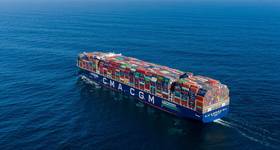
Global transportation-related energy demand is predicted to rise by more than 40 percent from 2010 to 2040. The growth is almost entirely from commercial transportation -- heavy duty, aviation, marine and rail -- as expanding economies and international trade spur greater movement of goods.
More information is available here.