Seaspan CEO: Hanjin Fallout Is Like Lehman for Shipping
By Aiswarya Lakshmi
September 14, 2016
Seaspan Corp chairman and ceo Gerry Wang has described the bankruptcy of South Korea’s biggest container line Hanjin Shipping Co as the industry’s equivalent of the Lehman Brothers collapse that triggered the global financial crisis, reports Bloomberg.
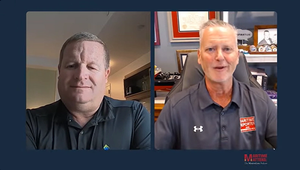
“The fallout of Hanjin Shipping is like Lehman Brothers to the financial markets,” Wang said. “It’s a huge, huge nuclear bomb. It shakes up the supply chain, the cornerstone of globalization.”
In an interview on Bloomberg TV Wang, who is founder of Seaspan, the Hong Kong-based container-ship leasing company that has three vessels chartered to the distressed line, likened the impact to shipping and supply chain to that of a nuclear bomb.
In June, Wang had rejected Hanjin’s requests for charter-rate cuts before the shipping line filed for court receivership last month.
Seaspan is evaluating all options and examining systemic risks resulting from Hanjin’s bankruptcy filing.
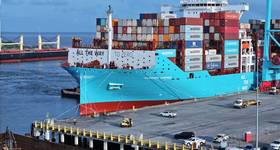
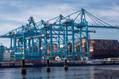
With about 93 ships, including 79 container vessels, stranded at 51 ports in 26 countries, the gridlock at Hanjin has disrupted global supply chains during “peak season” when stores in the U.S. stock up before the year’s busiest holiday shopping season.