Klaveness Combination Carriers Orders Fifth Carrier
Shailaja A. Lakshmi
July 3, 2018
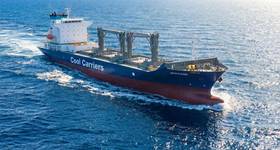
Norwegian shipping company Klaveness Combination Carriers (KCC) has declared an option for the construction of a combination carrier with Jiangsu New Yangzi Shipbuilding Co., Ltd in China.
The delivery date is scheduled for second quarter 2020. KCC already has four sister vessels under construction at the same yard with delivery in 2018-2020.
Following the declaration, the KCC fleet will grow to 14 vessels by 2020. The company holds options for further vessels.
"Our fleet of combination carriers and container vessels set standards for efficient and environmentally friendly shipping. Klaveness has a history of developing innovative ship designs, challenging the status quo of sea transport," says the dry bulk owner company.
"We are constantly working to improve our fleet, and in addition to our existing fleet below, we are currently developing several new vessel types and shipping concepts," company added.
The Issuer of the bond KSH03, Klaveness Ship Holding AS, is the majority owner of KCC.