Hazira Port Breaches 500K TEU Mark
By Joseph R Fonseca
April 21, 2018
Adani Ports & Special Economic Zone Ltd (APSEZ), India’s largest port developer today said that it had breached the 0.5 Million TEU mark at Hazira Port in FY 2017-18, with year-end throughout touching 500,879 TEUs, corresponding to a remarkable growth rate of 20.7% over 2016-17.
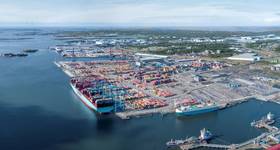
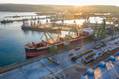
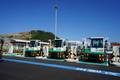
With an annual capacity of 1 million TEUs, 2 berths of combined length of 630 metres and quay-side infrastructure comprising 6 QC’s and 16RTG’s, the all-weather port with a deep draft has been able to attract main line services from the world’s largest container shipping companies.
Hazira port is well positioned to serve as the ideal alternative gateway to the more established ports on the Western Indian coastline. By enabling substantial savings in logistics costs and faster turn times, the port has become an integral part of the supply chains of the manufacturing and EXIM-oriented companies located in the industrial belts of South Gujarat, such as Baroda, Ankleshwar, Dahej, Surat, Vapi, Silvasa and Daman.
The port’s unique location was one of the primary contributory factors in its ongoing success in attracting volumes from traditional gateways, providing significant strategic advantages, whereby cargo owners and carriers utilising the port gained a competitive edge by virtue of the port’s proximity to the industrial belt of South Gujarat