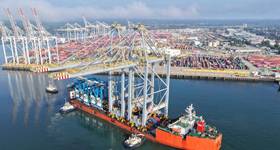
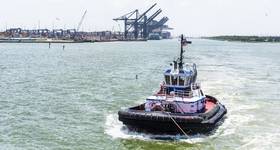
German international shipping and container transportation company Hapag-Lloyd AG and compatriot logistics and transportation company Hamburger Hafen und Logistik AG (HHLA), will be continuing their close cooperation in Hamburg for another five years.
On the basis of this decision, both companies will now be able to make necessary investments and boost their overall competitiveness, said a joint press release.
Both parties have also agreed to intensify their collaboration on sustainability-related issues. For example, there are plans to make additional significant reductions in emissions in the Port of Hamburg and to work together to rigorously expand hinterland connections.
“We are very pleased to be able to continue our longstanding, trusting and intensive collaboration. As a result, the Port of Hamburg is and will remain a maritime hub of high importance to global logistics flows,” said the CEOs Angela Titzrath, Hamburger Hafen und Logistik AG, and Rolf Habben Jansen, Hapag-Lloyd AG.
HHLA operates three container terminals at the Port of Hamburg: Altenwerder, Burchardkai and Tollerort, as well as cargo handling and transport services by rail, road and sea.