marine link image
Register now for the Port of the Future Conference • 2 Days, 50 Ports • Houston/Galveston area, TX • April 12–14, 2027

Florence Makes Landfall near Wrightsville Beach, NC

September 14, 2018

The U.S. National Hurricane Canter is reporting that Hurricane Florence has made landfall near Wrightsville Beach North Carolina.


Widespread flooding is being reported along a wide swath of the North Carolina coastline. The storm, moving west at 6 miles per hour, is now forecasted to stall onshore for several days, dumping as much as 40 inches of rain in some areas. "Catastrophic" flooding is expected over portions of the Carolinas.


As forecasters predict a "life threatening" storm surge of 9 to 13 feet, at least 150 people are awaiting rescue in New Bern, N.C. More than 300,000 people are said to be without power.


The storm, now waning somewhat into a category 1 hurricane, is now located about 5 miles east of the port of Wilmington, North Carolina producing sustained winds of 90 miles per hour. The storm remains extremely dangerous, and is expected to pack winds up to 40 miles per hour and rain totals of ten inches or more as far inland as North Carolina's largest city, Charlotte.

Logistics News

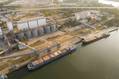
A Ceasefire Would Allow Russia to Restart 80% of Black Sea Grain Export Terminals

A Ceasefire Would Allow Russia to Restart 80% of Black Sea Grain Export Terminals

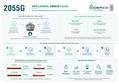
Aderco's 2055G+: Emissions Performance with Shared, Verifiable Data

Aderco's 2055G+: Emissions Performance with Shared, Verifiable Data

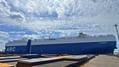
ARC Freedom Enters ARC's U.S.-Flagged Fleet

ARC Freedom Enters ARC's U.S.-Flagged Fleet

NYK Contributes to Industry Insight on Ammonia-Fueled Vessels at IMO

NYK Contributes to Industry Insight on Ammonia-Fueled Vessels at IMO

Subscribe for Maritime Logistics Professional E‑News

Saudi Aramco is planning a reorganisation that will create a gas division, according to sources.
Wall Street Journal, September 23,
Study finds that global biofuel production will increase by nearly 70% in 2030 as a result of the Gulf energy crisis