LNG Floating Storage: A Passing Trend?
By Ted Michael, Analyst, LNG, Natural Gas, Genscape
January 16, 2017
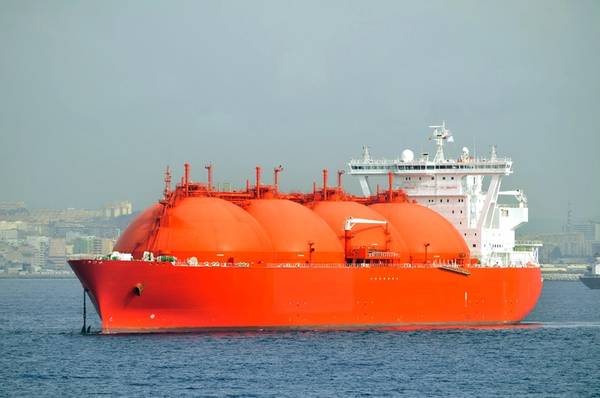
© Carabay / Adobe Stock
At the end of 2015, global LNG production was approximately 35 bcf/d. By 2019, global supply is set to increase by 40 percent with the U.S. and Australia planning to bring another 15 bcf/d online. However, traditional markets like Europe and Northern Asia are experiencing no demand growth due to several factors, including price controls, competition from other fuels, and regulations. Increasing supply may see LNG ships become floating storage units, similar to what the oil industry has experienced.
According to an article recently published by PortVision, “Low prices and abundant supplies have created what is being called 'homeless LNG:' liquid natural gas without committed buyers being housed in tanker ships roaming the high seas.”
There are two classes of LNG storage:
The first class is one that occurs when floating LNG ships are delayed offshore, similar to how oil tankers are used as storage to play into in a contango situation. Genscape has observed LNG ships backing up into the Tokyo Harbor and offshore Japan and Korea, likely because demand may be lower than normal and utilities are reluctant to be short until winter peaks.
The second is called Floating Storage and Regas Unit (FSRU). This occurs when a tanker is moored offshore or dockside and used to warm up the LNG (regas), in addition to functioning as the primary storage unit. Initially pioneered by Excelerate, FSRUs have become very popular. With a dry dock build turnaround time of 12-18 months, they can be leased or installed for under $300 million. Making the FSRU quite attractive when compared to “stick build” land-based regas and storage facilities that can cost up to $1 billion and can take up to four years to complete.
What to expect:
The story of floating LNG storage will gain traction in 2017, particularly in the seasonal “shoulder months," as U.S. and Australian liquefaction trains continue to ramp up. The floating storage story will unfold more completely in 2018, when the bulk of U.S. and Australian production comes online. With the 40 percent rise in global supply will come an increased need to track floating offshore storage and the total volume of LNG at sea, for a more complete understanding of global supply and demand.
Genscape's Global North American LNG Supply and Demand Service can prepare traders, analysts, and other market players for this uptick in floating LNG storage. Genscape provides a comprehensive picture of the costs associated with purchasing gas for export, which can be critical in this competitive landscape. Genscape Vesseltracker's™ terrestrial and satellite-based AIS tracking capability provides current and historical visibility include vessel location and predictive analytics for every LNG vessel journey involving North America. Please click here to learn more about the Global North American LNG Supply and Demand Service.