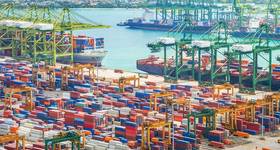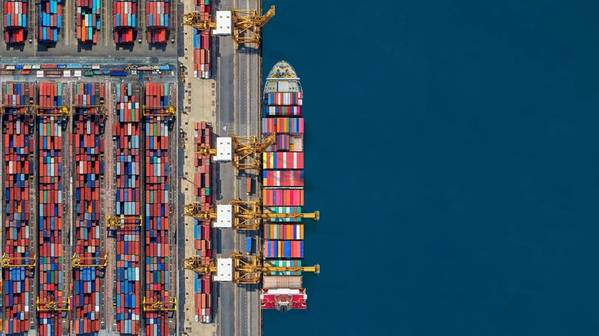
The United States has charged seven Chinese executives and four of the world's largest shipping container companies with conspiring to restrict supply, raising the price of containers during the COVID pandemic, Department of Justice officials said on Tuesday.
The companies together manufacture about 95% of the world's standard dry shipping containers and conspired to restrict output and fix prices between November 2019 and January 2024, the DOJ said. Prosecutors allege the scheme resulted in U.S. consumers paying more, and waiting longer, for goods during the pandemic.
"Around the start of the global pandemic, these manufacturers exploited the crisis and their market power to squeeze the supply chain for profit," Associate Attorney General Stanley Woodward said while announcing the case.
One of the executives, Vick Ma, 54, a marketing director Singamas Container Holdings Ltd, was arrested in France in April, the DOJ said. Singamas did not immediately respond to a request for comment on the allegations.
(Reuters - Reporting by David Ljunggren in Washington and Jody Godoy in New York; Editing by Caitlin Webber and Chris Sanders)