ICS Chairman: Shipping Industry Focused on Serious CO2 Emission Reduction
Posted by Michelle Howard
September 26, 2017
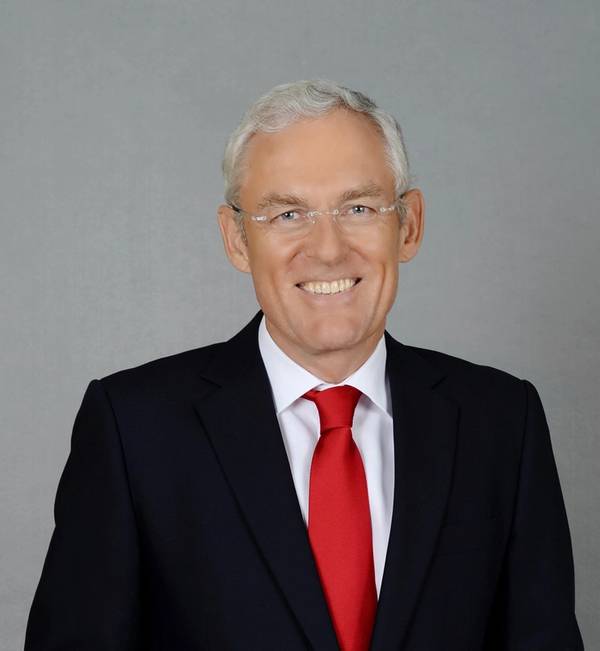
Esben Poulsson (Photo: ICS)
“The world has great expectations for IMO delivering an ambitious greenhouse gas reduction strategy for the international shipping sector. We are confident that this initial IMO strategy, once adopted next year, will match the goals and philosophy of the Paris Agreement on climate change, while also fully recognizing that the sustainable development of the world and its peoples is critically dependent on the continuing smooth flow of global trade, about 90 per cent of which is transported by sea.”
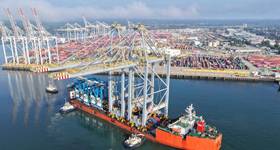
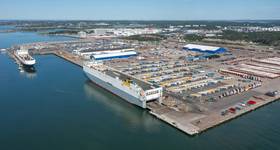
This is the key message from Esben Poulsson, Chairman of the International Chamber of Shipping, speaking on the eve of IMO World Maritime Day, whose theme this year is ‘Connecting Ships, Ports and People’.
Mr Poulsson stressed that ICS and its member national shipowners’ associations are committed to helping IMO agree upon some truly ambitious CO2 reduction objectives which IMO can present at the 2018 Conference of Parties to the UNFCCC Paris Agreement.
‘IMO is the only body which can deliver further GHG reduction measures that will have a meaningful impact on the emissions of the entire global shipping sector. It is vital that IMO remains in control of this critical issue, building on the real progress already made with its package of technical regulations that became legally binding across the entire world fleet in 2013, the very first global agreement of its kind adopted for a major industrial sector.”
ICS (in collaboration with BIMCO, INTERCARGO and INTERTANKO) has recently made a detailed submission to IMO on the possible contents of its GHG reduction strategy. The industry proposes that IMO Member States – the same States that are parties to the UNFCCC Paris Agreement – should agree an initial objective of holding the total CO2 emissions of the international shipping sector below 2008 levels, but that IMO should also set an ambitious goal for the percentage by which the sector’s total CO2 emissions should be reduced by 2050, compared to 2008, compatible with the legitimate concerns of developing nations about the potential impacts on trade and economic development.
“The global shipping industry has now come forward with clear proposals on how IMO can help it decarbonise as quickly as possible, complete with some serious objectives, numbers and dates. It’s now up to governments to present their own ideas, in order that IMO can deliver a suitably ambitious strategy which can be adopted next year.” said Mr Poulsson.