The CEO of LNG Canada, the Shell-led liquefied natural gas export project in British Columbia, said on Thursday discussions with the province about electrifying a second phase of the terminal have been "encouraging" but building new power transmission infrastructure remains a long way off.
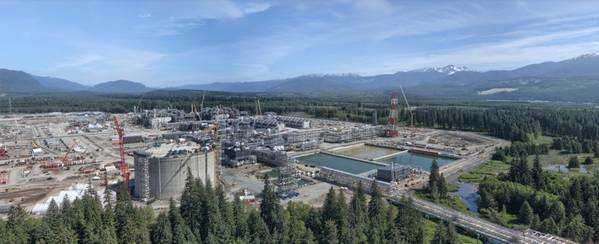
LNG Canada, a joint venture between five partners including Japan's Mitsubishi Corp and Malaysia's state energy firm Petronas, is set to be Canada's first LNG export terminal. The project is 85% complete and preparing for commissioning and start-up.
The first phase, producing 14 million tonnes a year, is on track to begin shipments around 2025 and LNG Canada is weighing whether to build a second phase to double annual capacity to 28 million tonnes.
CEO Jason Klein told Reuters in January the project plans to build Phase Two with natural gas-powered turbines and switch to electricity as more renewable power becomes available, a decision that means the expansion project will initially generate high carbon emissions.
Using hydropower to run the turbines that cool the gas to liquid for shipping would limit emissions, but also requires hundreds of kilometers of new transmission lines to reach the province's remote northwest coast.
Klein, speaking on Thursday ahead of an international LNG conference in Vancouver next week, said a final investment decision on whether to proceed with Phase Two will take into account a number of factors including affordability and emissions.
LNG Canada has been active in discussions with the province, led by Premier David Eby, and BC Hydro, a government-owned power corporation, about finding ways to address future hydropower needs in northwestern B.C., Klein said in an interview.
"All the parties understand that further electrification of our industry will benefit B.C. and the Premier has been quite clear and consistent that he wants to see progress made on this file," he said.
The provincial government and BC Hydro did not immediately respond to requests for comment.
Klein said electrifying Phase Two would require "significant capital investment across the value chain", including building large-scale transmission lines. LNG Canada is working with the government and other stakeholders to assess those costs, but the process is in the early stages, he added.
"There's a long way to go before BC Hydro is ready to talk to any of the industry players in the northwest about how that infrastructure could be built and funded and what the costs would look like," Klein said.
In February, BC Hydro said it had been asked by the provincial government to accelerate a major transmission project to the northwest coast. The crown corporation invited non-binding expressions of interest from prospective industrial power users including LNG Canada.
(Reuters - Reporting by Nia Williams; Editing by Marguerita Choy)