Baltic Index Rises on Firmer Rates for Larger Vessels
Posted by Michelle Howard
January 23, 2018
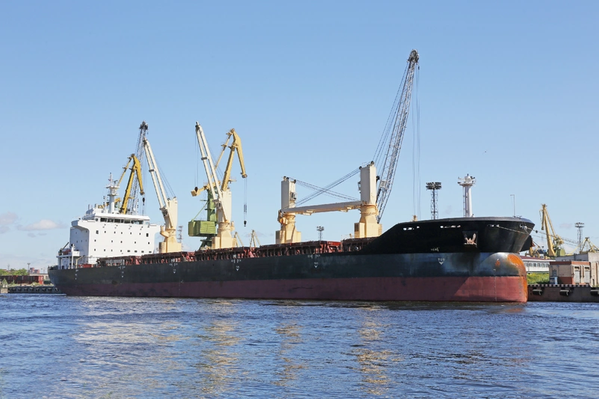
© sergeevspb / Adobe Stock
The Baltic Exchange's main sea freight index marked its strongest daily percentage gain in nearly three weeks on Tuesday as the capesize segment rebounded from its two weeks of declines, and the panamax rates climbed further.
The overall index, which factors in rates for capesize, panamax, supramax and handysize shipping vessels that ferry dry bulk commodities, climbed 28 points, or 2.48 percent, to 1,157 points.
The capesize index rose for the first time in 11 sessions and was up 80 points, or 5.54 percent, to 1,525 points.
"Capesize earnings have ticked up ... driven in part by an increase in activity levels in the Far East," said analysts at shipbroker Clarksons Platou Securities.
Average daily earnings for capesizes, which typically transport 150,000-tonne cargoes such as iron ore and coal, rose $690 to $12,148.
The panamax index gained 42 points, or 3.08 percent to 1,404 points.
Average daily earnings for panamaxes, which usually carry coal or grain cargoes of about 60,000 to 70,000 tonnes, were up $342 to $11,262.
Among smaller vessels, the supramax index shed 2 points up to 911 points, while the handysize index climbed 1 point to 586 points.
(Reporting by Sumita Layek in Bengaluru)