Vopak to Invest in Rotterdam Terminal
By Aiswarya Lakshmi
April 22, 2018
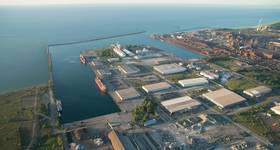
Vopak Rotterdam Botlek is investing in 63.000 cbm state-of-the-art stainless steel capacity (15 tanks) for the storage of Styrene and other hazardous chemicals.
Styrene is a vital product used in manufacturing of a wide variety of consumer goods serving markets such as packaging, construction (for example isolation) and automotive.
The new infrastructure will be fully insulated to allow for product temperature control and is designed to prevent any emissions to the environment. The new storage capacity connects seaborne trade flows via barges, block-trains and trucks to the European hinterland.
Royal Vopak is the world’s leading independent tank storage company. Vopak’s mission is to ensure safe, reliable and effective storage and handling of bulk liquid products at key marine locations that are critical to our customers around the world.
Effective per 1 January 2018, Vopak streamlined its divisional structure, resulting in a situation where the Group is comprised of five divisions instead of the current six. The five divisions are Europe & Africa, Asia & Middle East, China & North Asia, Americas and LNG.