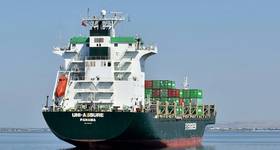
The Suez Canal Authority has announced that following the completion of the latest development phase, the rules of navigation edition August 2015 are in effect since 13 August.
Booked transits may be cancelled or altered by notice to the Suez Canal Authority offices at least 12 hours before the booked date, otherwise, the vessel shall be charged for cancellation. For ULCCs, VLCCs, LNG carriers and similar vessels, the charge will be USD 3000, due to the special arrangements made, such as escorting by tugs, etc.
For cancellation of a transit after the ship has been enlisted in the convoy USD 5000 will be charged.
In summary:
- Ships booked for transit will not be fined if cancellation is made more than 12 hours ahead of convoy time.
- If cancellation takes place 12 hours or less before convoy time, large ships will be charged USD 3,000, and smaller ships USD 1,000.
- Cancellation fees will be USD 5,000 if cancellation is made while entering the Canal.
The updated Suez Canal rules of navigation book will be issued shortly.
For information about operations in the Suez Canal contact GAC Egypt at [email protected]