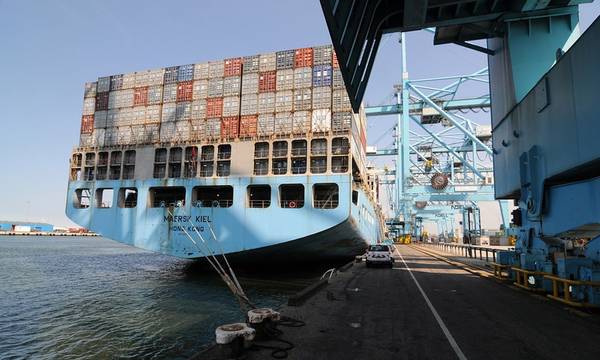
Global shipping confidence is at an all-time low as fears of a global recession and Britain's vote to leave the EU pile pressure on parts of the industry already suffering from its worst downturn, a leading transport survey showed on Wednesday.
The global container sector, which transports everything from bananas to iPhones, as well as the dry bulk shipping market hauling commodities including iron ore and coal, are struggling with a glut of ships, a faltering global economy and weaker consumer demand.
In an annual survey by international law firm Norton Rose Fulbright, just 15 percent of respondents saw current market conditions as positive, the lowest level since the poll began in 2009, with shipping the gloomiest transport sector canvassed.
Separately, 68 percent of respondents said a global recession posed the greatest threat to shipping in coming years. That compared with 38 percent who saw this risk in aviation and 20 percent in rail.
"The (shipping) industry is currently in the grip of the worst recession in living memory and while most of our respondents envisage an upturn in freight volumes in the next five years, any major economic shock would further exacerbate an already fragile industry," Norton Rose Fulbright's global head of transport Harry Theochari said.
"The UK's vote in favour of a Brexit has meant that shipowners are likely to be assessing how it impacts upon their various regulatory obligations and their access to finance in a key shipping finance market," he said, referring to the role of the City of London.
Shipping faces a global funding black hole, estimated at $30 billion, caused in part by banks cutting lending to the sector.
"Bank debt is expected to remain the industry's principle source of funding, although for many shipowners funding remains thin on the ground and few respondents believe access to finance is set to become easier," Theochari said.
The survey - which polled 200 respondents across the transport industry including companies, financiers and government entities - said rail and aviation prospects were better partly due to lower oil prices and more funding.
"Sentiment is high in the aviation and rail industries, buoyed by the expectation of increased passenger numbers," Theochari said.
"However, shipping continues to feel the effects of overcapacity in many markets, and an increase in enforcement actions is widely predicted."
(By Jonathan Saul; Editing by Dale Hudson)