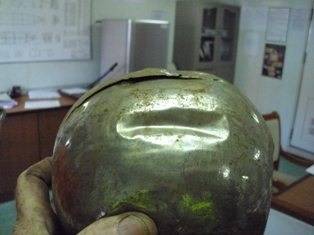
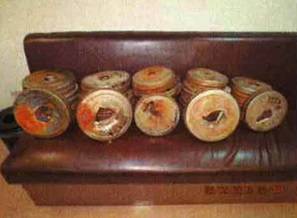
Recent port state control detentions (particularly in Australian waters) have revealed numerous cases of damaged and inoperable ballast tank air pipe heads. The air pipe heads were of the automatic float type, from different manufacturers and used by different new construction shipyards.
Investigation showed that all the air pipe heads had been damaged by being subjected to continuous overflow of the ballast tanks for ballast water exchange – a function for which they were not designed or intended to be used.
To avoid damage to automatic float-type air pipe heads, shipowners and operators should ensure that the method used for ballast water exchange is strictly in accordance with the requirements of the Ballast Water Management Convention and the guidance contained in the Lloyd’s Register approved Ballast Water Management Plan on board the vessel. This indicates which exchange method is being used. Discharging ballast water through automatic float-type closing appliances should be avoided, unless permitted within the plan.
lr.org